




How the Lunar Calendar Affects Smallmouth Bass Fishing: A Complete Guide
For centuries, anglers have looked to the sky for clues about when fish will bite. The moon isn’t a magic switch—but it does change two things that matter to smallmouth: light and rhythm. If you’ve ever had a bite window turn on (or die) right when it “shouldn’t,” the lunar cycle is one of the few repeatable patterns worth paying attention to.
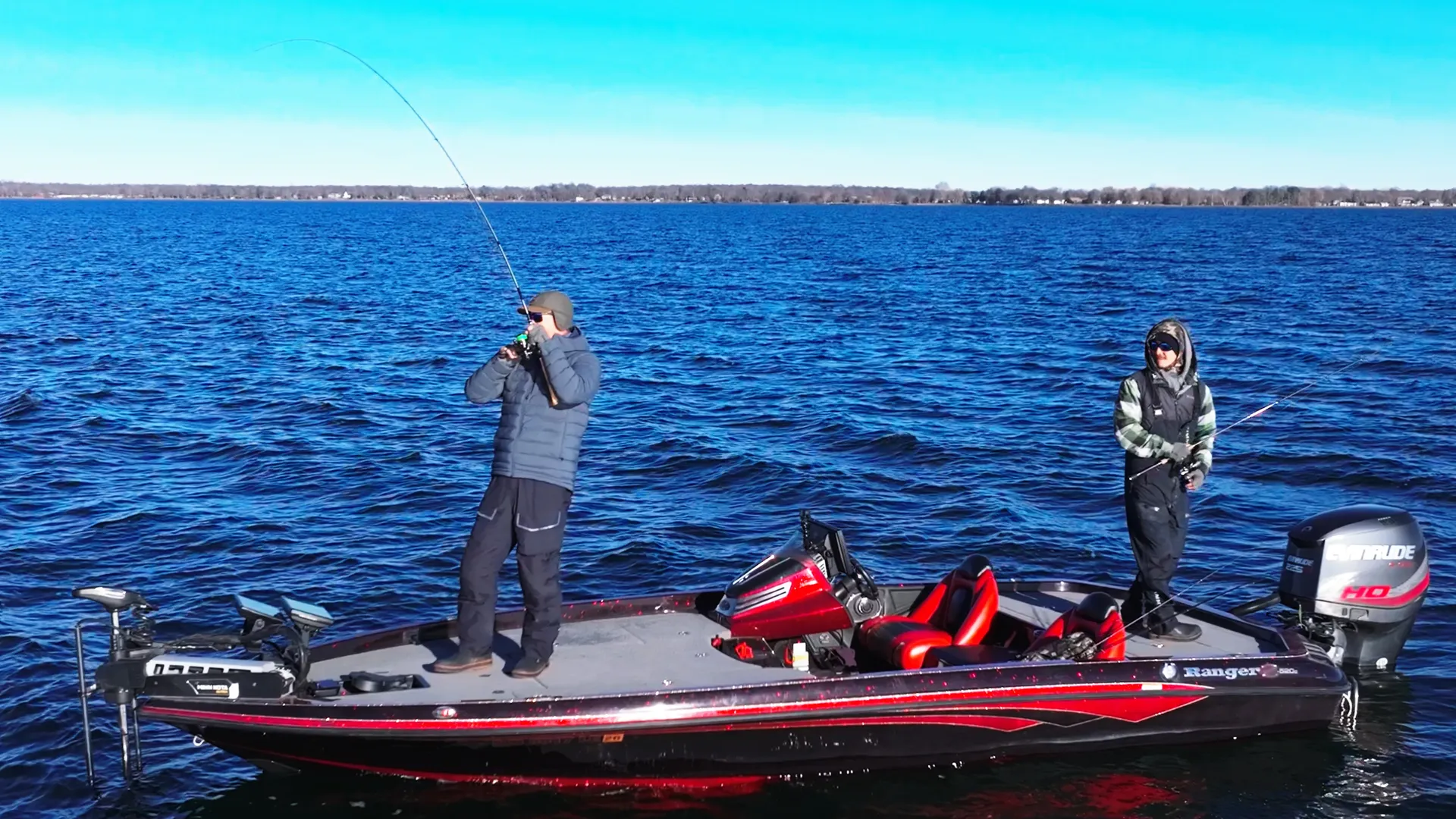
What anglers mean by “the lunar calendar”
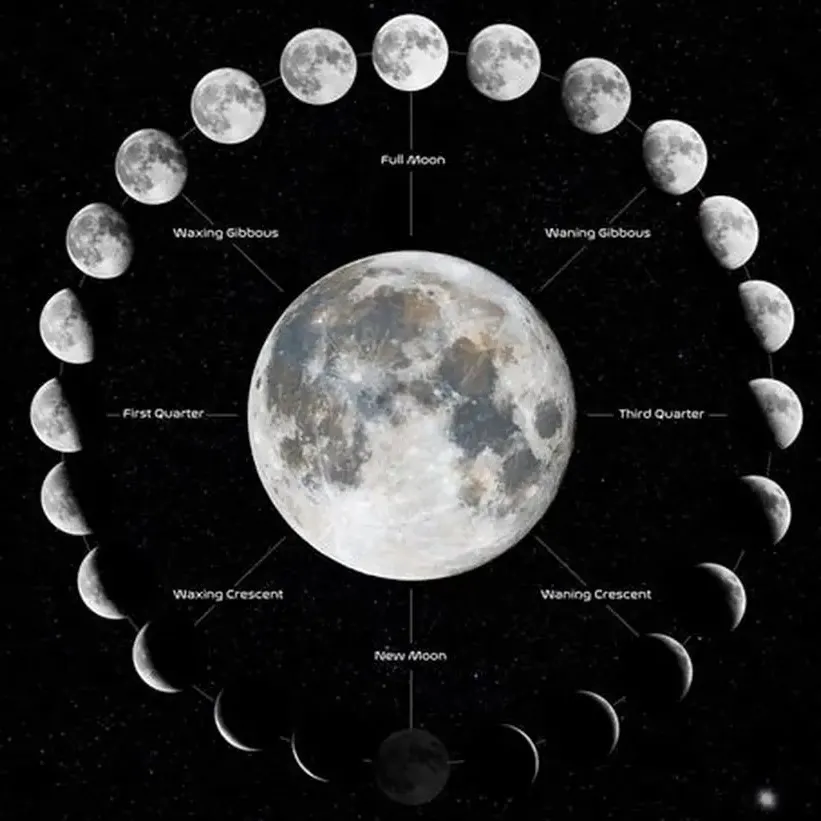
The lunar calendar is just the moon’s ~29.5‑day cycle as it moves from new moon → full moon → new moon again. Anglers track it because it affects:
- Nighttime brightness (how well bass and bait can hunt after dark)
- Subtle water movement/pressure changes (even on inland waters)
- Daily activity timing (when fish tend to feed, not when they must)
If you take one idea from this: the moon is best used as a timing tool. It won’t replace water temperature, wind, or a front—but it can help you pick when to be on your best spot.
Moon phases, in plain language
You don’t need astronomy. You just need to know how bright the nights are getting.
New Moon (Dark Moon)
No real moonlight at night. Bass that would normally get a lot done after dark often shift more feeding into low-light daytime windows.
First Quarter (Waxing)
Nights get brighter. Activity often feels like it “builds” as the week goes on.
Full Moon
Bright nights and strong lunar influence. Bass can do plenty of feeding after dark, which can make some daytime periods feel slower—until you hit the right window.
Last Quarter (Waning)
Nights get darker again. The bite can be a little more selective, and you may need to slow down or fish cleaner structure.
Why the moon shows up on smallmouth water
Smallmouth are sight-driven predators, and they live on structure where small changes in light and movement can reposition both bass and bait.
1) Light changes where (and when) they feed
- On bright nights (near a full moon), bass often roam and feed shallow longer.
- On dark nights (near a new moon), that roaming bite often shifts back toward dawn/dusk and daytime feeding.
This doesn’t mean “full moon = bad.” It usually means you may need to adjust timing and expect some fish to have already eaten.
2) Micro-movement and pressure cues still matter inland
Even without big tides, the moon contributes to subtle water movement and pressure changes. On some lakes it’s barely noticeable; on others it lines up with bait movement and creates short, repeatable feeding windows.
3) It can be part of the spawn picture (but temperature leads)
For smallmouth, water temperature is the driver. Lunar timing can still matter—especially around stable warming trends—but it’s not a substitute for watching temps and where fish are staging. (And as always: be mindful around bedding fish and local regs.)
How to fish each phase (without overthinking it)
Instead of treating each phase like a separate rulebook, think in terms of where the fish did their feeding (night vs day) and how aggressive they’ll be.
New Moon: lean into daytime windows
When nights are dark, a lot of the “easy” feeding happens when there’s enough light to hunt.
- When to fish: first light through mid‑morning, then late afternoon into dusk.
- Where to look: main-lake points, rock transitions, boulder fields, current seams—anything that’s a natural ambush edge.
- What to throw: cover-water baits first (crankbait, jerkbait, topwater in the right conditions), then clean up with a drop shot or Ned when they get picky.
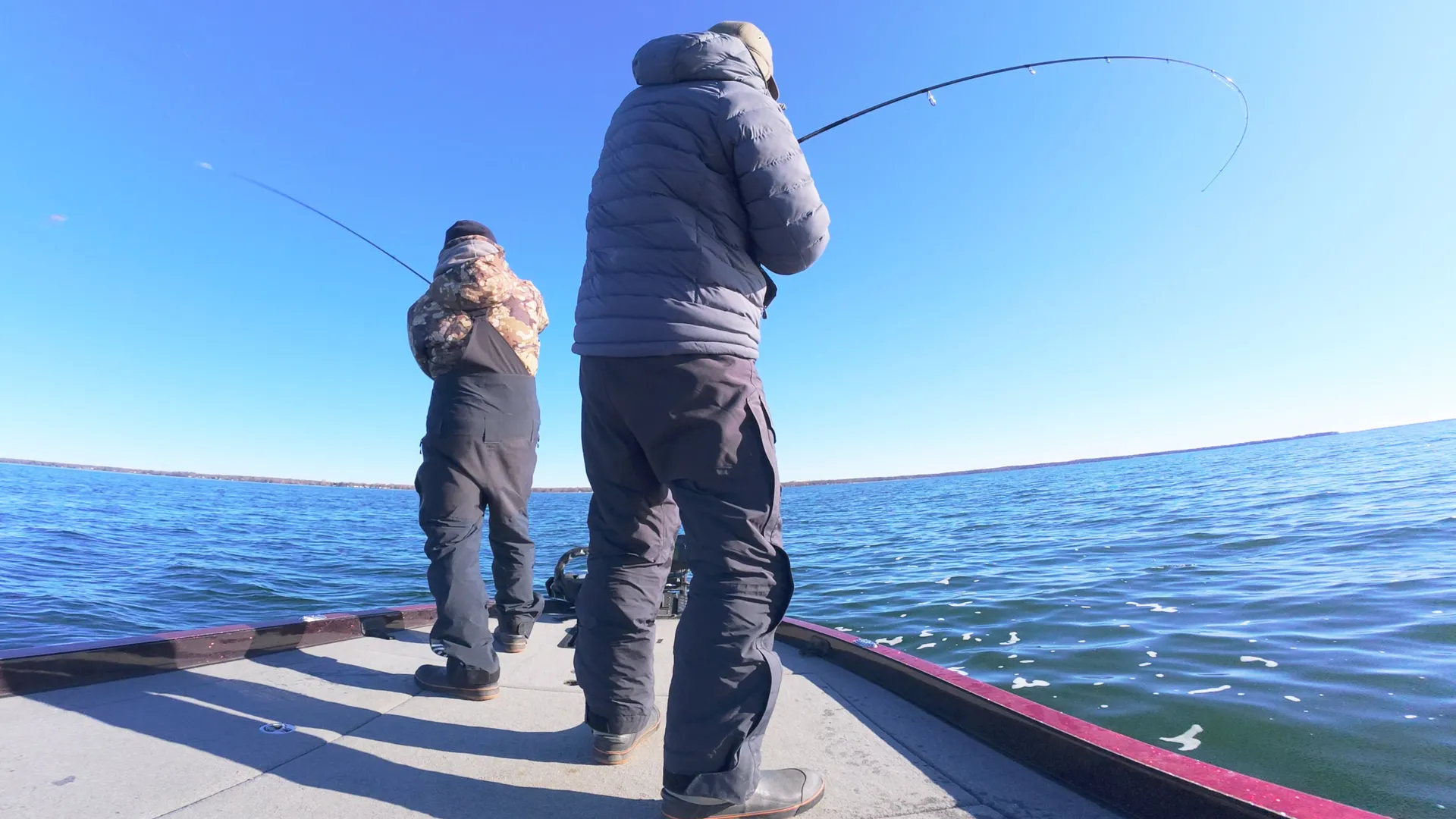
First Quarter: follow the building pace
This is the part of the cycle that often feels “easier” because fish can slide into a rhythm and stay there.
- When to fish: low light is still best, but midday can surprise you—especially with wind.
- Where to look: transition depth (edges of flats into breaks), gravel/rock humps, and the first “good” structure outside spawning areas in spring.
- What to throw: swimbaits, spinnerbaits, tubes, Ned rigs—pick based on wind, water clarity, and how pressured the lake is.

Full Moon: don’t miss the edges of the day
A bright moon can mean bass ate well overnight. Your job is to hit them as they reposition.
- When to fish: the last hour before sunrise is a classic; late evening can also be excellent, especially in clear water.
- Where to look: shallow feeding zones with immediate access to deep water—rocky points, dock shade lines, weed edges, and hard-bottom flats.
- What to throw: if they’re roaming, reaction baits still work. If they’re “post-feed,” slow down with finesse (drop shot, tube, small swimbait) and focus on precise targets.
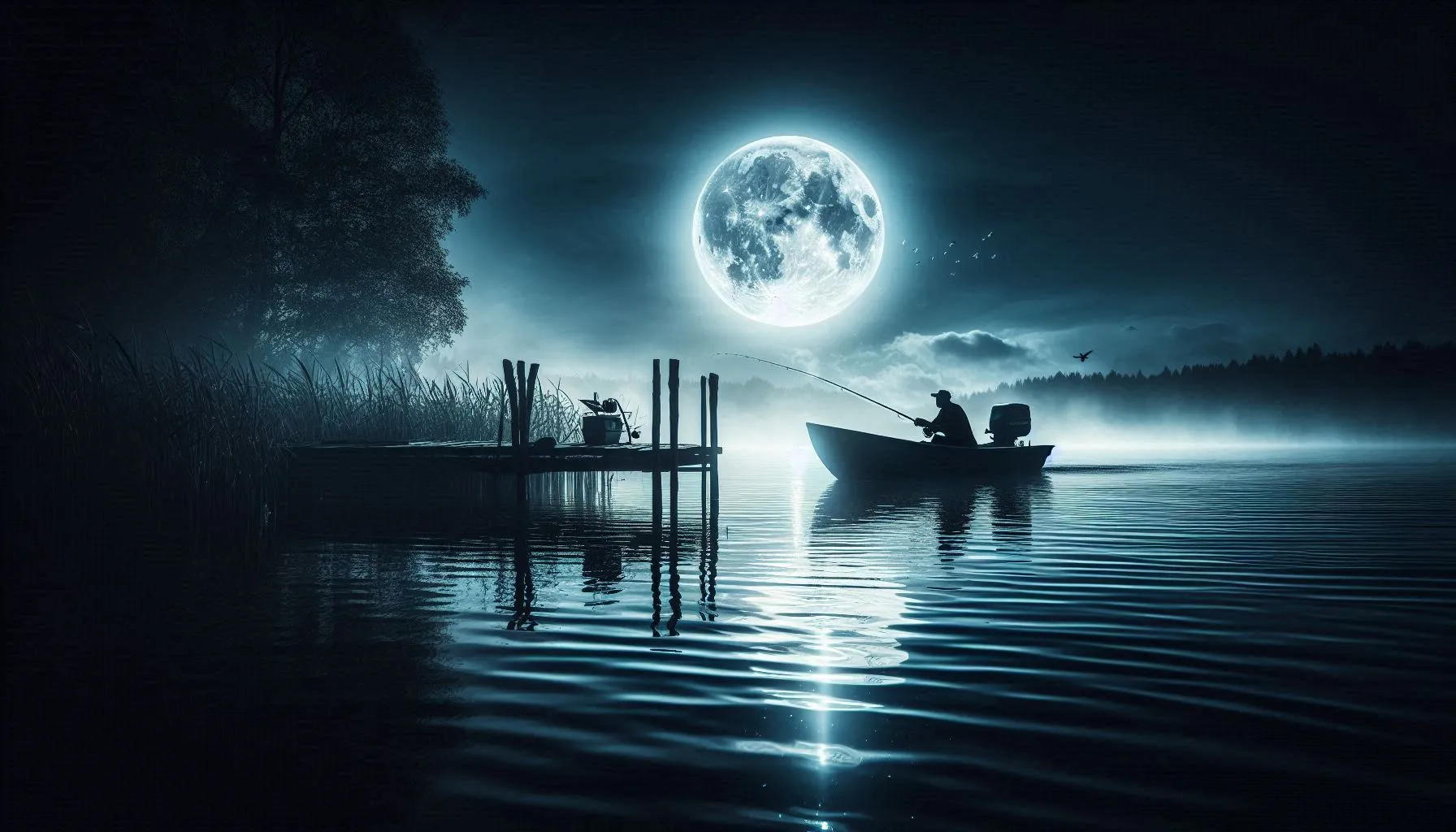
Last Quarter: slow down and get specific
As nights darken again, the bite can tighten up. You can still catch big fish—often by being more deliberate.
- When to fish: dawn/dusk; midday can work with cloud cover or wind.
- Where to look: deeper structure, ledges, bluff walls, and main-lake rock where crayfish live.
- What to throw: jigs, subtle soft plastics, smaller cranks—fish them methodically and let the spot do the work.
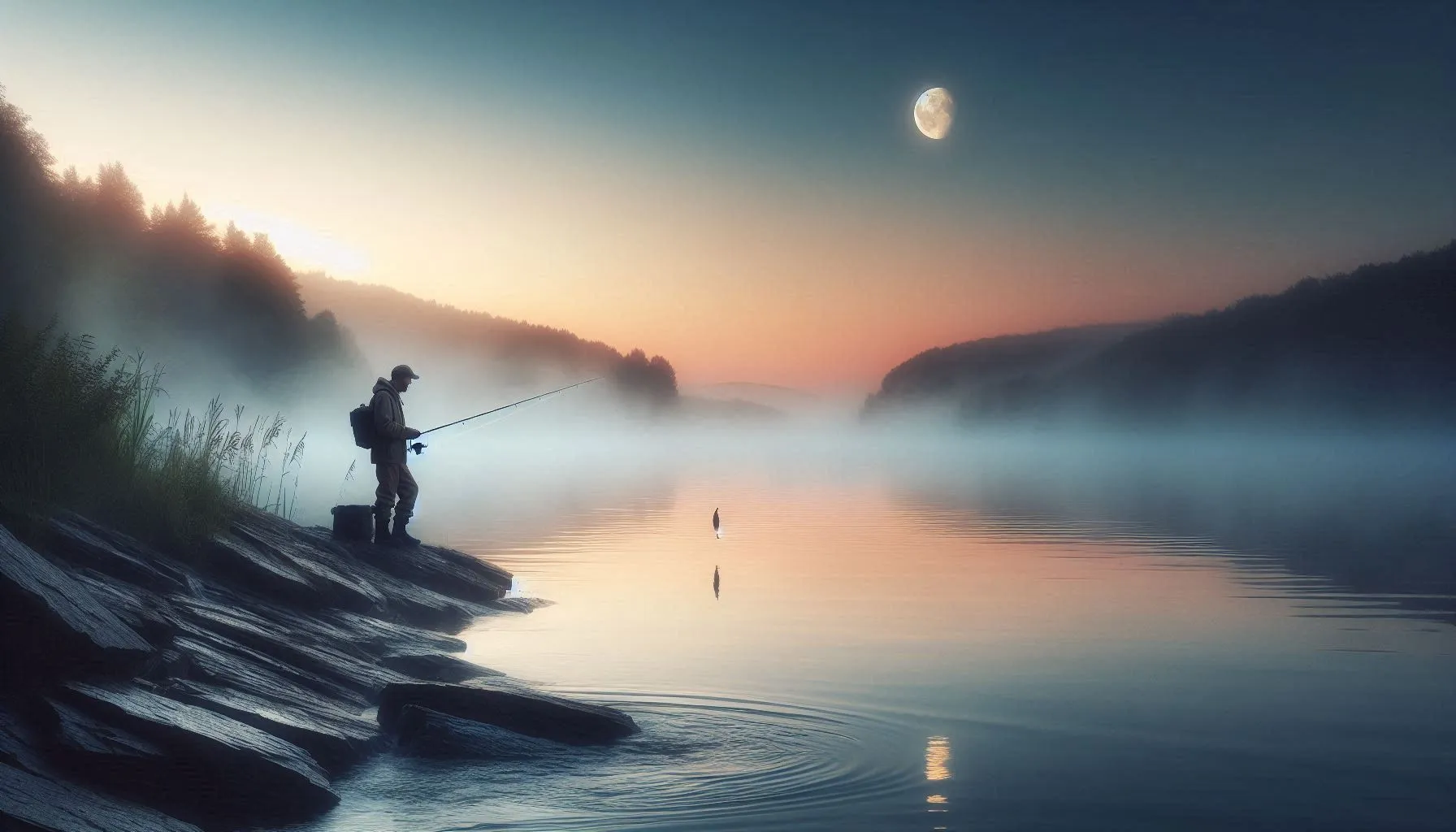
Using solunar tables the right way
Solunar apps list “major” and “minor” periods based on the moon’s position overhead/underfoot. Treat them like a tie-breaker:
- If conditions are already good (wind, stable weather, right temp), solunar periods can help you choose the best 60–90 minutes.
- If conditions are poor (post-front, muddy cold inflow), solunar won’t save the day—but it may still help you find your one bite window.
The moon is one piece of the puzzle
If you want a simple priority list for smallmouth, this is usually a better order:
- Season + water temperature (where fish can be)
- Wind/current (where fish want to be)
- Weather changes/fronts (how willing they are)
- Moon phase + solunar (when the best window opens)
A practical “lunar plan” you can actually use
- Pick your spots first: identify 2–3 high-confidence areas for the season (points, humps, breaks).
- Use the moon to pick your time: stack your best spot with the best window (often around moonrise/moonset or the last/first hour of daylight).
- Keep notes: moon phase, wind, water temp, clarity, and the exact time your bite turned on.
After a season of notes on your home water, you’ll start to see which lunar windows are “real” for that lake—and which ones are just noise.
Conclusion: more fish in the boat
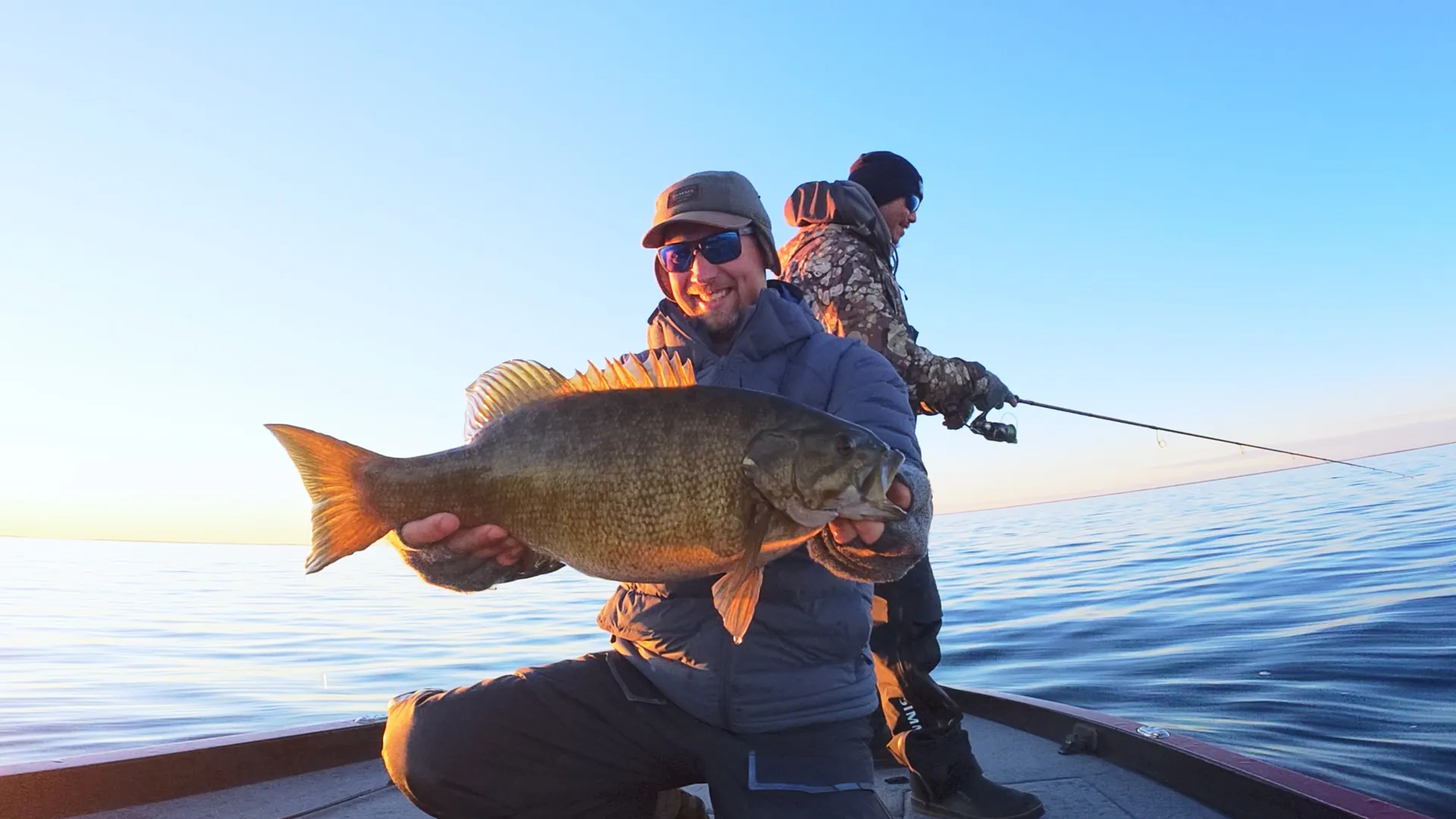
The lunar calendar won’t guarantee a limit, but it can help you fish smarter. Use it to choose when to be on your best water, then let temperature, wind, and season tell you where and how to fish.
Next time you’re planning a smallmouth trip, check the moon—not as superstition, but as a repeatable way to line up your day with the most likely bite window.