




Flipping for Largemouth Bass: A Complete Grass-Cover System from Minnesota to Florida
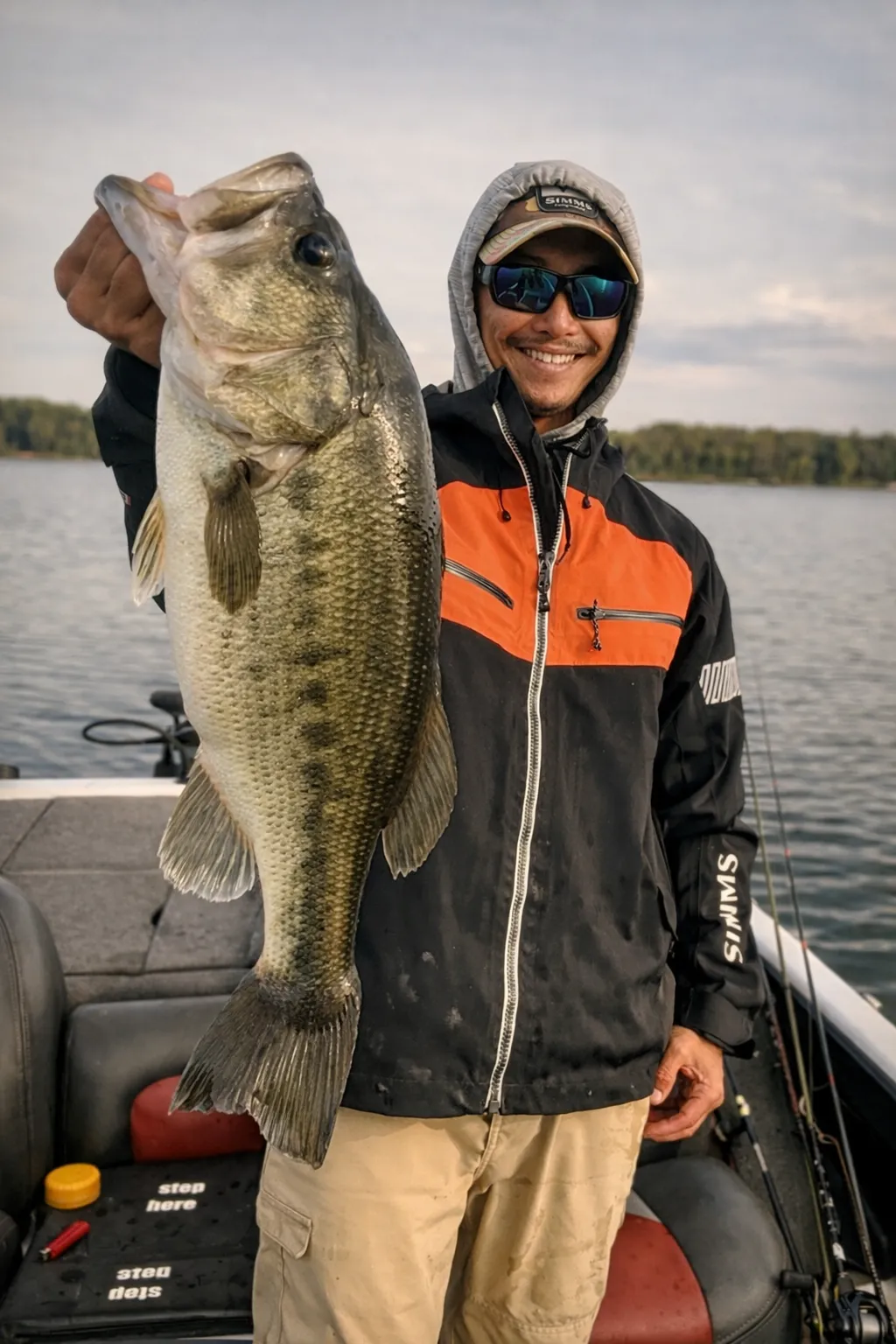
Flipping for largemouth bass is not a single trick—it is a precision system.
The type of vegetation, the density of the cover, water depth, rod power, line choice, weight size, terminal tackle, and bait profile all have to work together. When one element is wrong, fish are lost in the grass or never hooked in the first place.
This article lays out a real-world flipping system built for grass fisheries, with direct carryover from northern lakes in Minnesota to southern waters in Florida.
Why Flipping Is a Universal Technique
Largemouth bass behave the same everywhere grass exists. Vegetation provides shade, oxygen, ambush points, and direct access to forage. That is why flipping translates so well across regions. If bass live in it, flipping will catch them.
Grass Changes Year to Year—Your Approach Must Too
One of the biggest mistakes anglers make is assuming vegetation stays the same. It does not.
Grass composition changes due to:
- Lake association management
- Homeowner spraying programs
- Invasive species control
- Water clarity and temperature shifts
In Minnesota, productive grass has historically been coontail and cabbage, often mixed together. In other years, milfoil has taken over. Florida experiences the same cycles, just on a larger scale.
The key takeaway: you must fish the grass that exists now, not the grass you remember.
Why Flipping Is a High-Percentage Technique
Flipping is efficient because it removes guesswork.
When you flip grass correctly:
- Fish are almost always present
- High-percentage targets are visible
- Every presentation has the potential to produce a quality bite
Every clump, inside turn, outside edge, or isolated piece of vegetation can hold a big fish. That certainty is what makes flipping one of the most dependable ways to target largemouth bass.
Rod Selection: Backbone Over Everything
Flipping is about control, not finesse. Once a fish bites, it must be moved immediately.
Medium-Heavy Rods
Best for moderate cover and braid-to-leader setups.
- Halo KS2 Medium Heavy (7’)
- Halo BB Series Medium Heavy Jig Rod
These rods provide enough backbone to move fish while still protecting a fluorocarbon leader.
Heavy Rods
Necessary for thick grass and straight fluorocarbon applications.
- Halo BB Series Frogging Rod
- Halo KS2 Heavy
When fishing 20 lb fluorocarbon, a heavy rod is non-negotiable.
Line Systems That Actually Work in Grass
Line choice is dictated by cover density, not preference.
Braid to Fluorocarbon (Moderate Cover)
- 30 lb braid
- 20 lb fluorocarbon leader
This setup offers abrasion resistance, controlled stretch, and excellent bait control in sparse to moderate grass.
Straight Fluorocarbon (Heavy Cover)
- 20 lb fluorocarbon
- Heavy-power rod required
Straight fluorocarbon cuts vegetation better and eliminates leader failure points when pulling fish from thick cover.
Weight Selection: Speed and Penetration Matter
Weight selection determines how efficiently you flip.
Thick Cover
- 5/8 oz to 3/4 oz
Moderate Cover
- 1/2 oz to 5/8 oz
I prefer the heaviest weight I can get away with. Heavier weights penetrate grass faster, reduce hang-ups, and allow more flips per hour. Flipping is a volume game—more clean presentations equals more fish.
Terminal Tackle and Bait Profiles
Your terminal tackle must slip cleanly through vegetation and fall straight.
Key principles:
- Compact profiles
- Streamlined plastics
- Clean, vertical fall
If your bait spins, rolls, or hangs, it costs you bites. The goal is penetration and control, not exaggerated action.
Boat Positioning and Execution
Flipping success depends on execution as much as gear.
Best practices:
- Short, controlled flips
- Vertical entries
- Minimal splash
- Immediate line engagement on the fall
Most bites occur on the initial drop or within the first second of bottom contact. Slow reactions equal missed fish.
Seasonal Flipping Adjustments
Early Season
- Target emerging grass
- Focus on isolated clumps
Summer
- Flip thick, matted vegetation
- Get deep into the cover
Fall
- Prioritize healthy green grass
- Bass group tighter and feed aggressively
As long as vegetation is present, flipping remains effective.
Featured Snippet: What Do You Need to Flip for Largemouth Bass?
To flip successfully for largemouth bass, you need:
- A medium-heavy or heavy rod
- Braid-to-leader or straight fluorocarbon
- Proper weight size for the cover
- Compact, streamlined baits
- Enough backbone to pull fish from grass immediately
Conservation and Fish Care
Flipping often targets mature fish. Handle them responsibly:
- Minimize air exposure
- Keep fish in the water when possible
- Release quickly in warm conditions
Always verify regulations through the :contentReference[oaicite:3]{index=3} or your local fisheries authority.
Why Flipping Still Produces Big Largemouth
Flipping works because it is honest fishing.
You are not guessing.
You are not chasing electronics.
You are putting a bait where bass live and forcing a decision.
Grass will change. Lakes will evolve. But as long as largemouth bass live in vegetation, flipping will remain one of the most reliable ways to catch quality fish—from Minnesota to Florida.