Finesse Hair Jigs ='s Spring Success on Mille Lacs
Mille Lacs Lake Smallmouth Bass Hair Jig Fishing
Why This Subtle Presentation Is One of My Highest-Percentage Client Techniques
If you want to catch more smallmouth bass on Mille Lacs Lake, this article breaks down why the hair jig is one of my most reliable tools when guiding clients. You’ll learn when it shines, why it produces a higher landing ratio, and how I coach anglers to fish it effectively—without gimmicks or overcomplication
Why I Rely on the Hair Jig When Guiding for Smallmouth
As a guide on Mille Lacs, my job is simple: put clients on fish and help them land them. The hair jig consistently delivers on both.
The biggest advantage is landing percentage. Mille Lacs smallmouth are notorious for:
- Slapping at moving baits
- Short-striking in cold or post-frontal conditions
- Throwing hooks during jumps
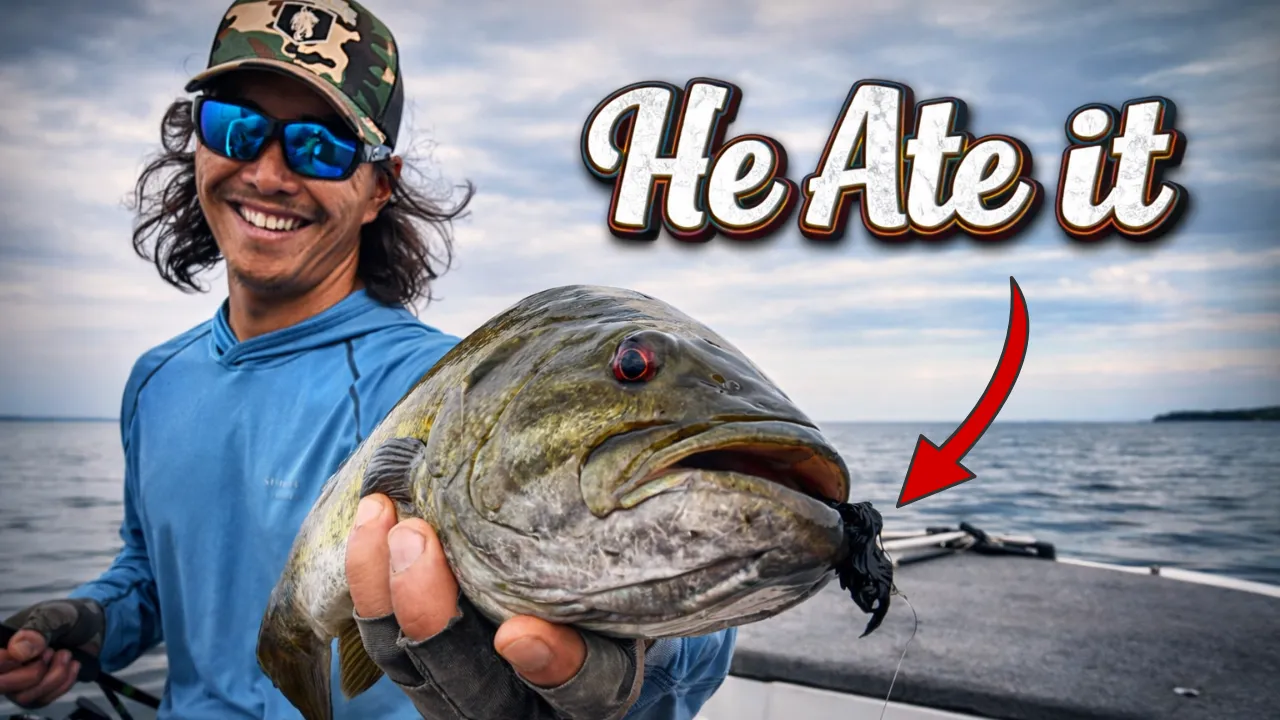
When a smallmouth eats a hair jig, it typically inhales the bait, leading to better hook placement and fewer lost fish. That matters when guiding anglers of all experience levels.
When the Hair Jig Is Most Effective on Mille Lacs Lake
Many anglers associate hair jigs strictly with summer or the mayfly hatch, but that mindset leaves fish uncaught.
Cold-Water Hair Jig Bite (Early Season)
Early in the season—when water temperatures are cold or inconsistent—hair jigs excel because they:
- Require minimal forward movement
- Stay in the strike zone longer
- Look natural without added action
Smallmouth in cold water don’t want to chase. Hair breathes and pulses on its own, triggering bites when plastics and reaction baits fall flat.
The Mayfly Hatch Window
During the mayfly hatch, smallmouth often suspend and roam. Feeding behavior becomes opportunistic, not aggressive. A hair jig matches this perfectly:
- Slow, controlled fall
- Natural hovering action
- Subtle profile that doesn’t spook fish
This is one of the most productive times I use hair jigs with clients on Mille Lacs.
Why Hair Jig Material, Shape, and Length Matter
This is where most anglers miss the bite—and why I spend time teaching clients how to fish a hair jig, not just when.
Key factors I focus on:
- Hair material: Affects movement in cold vs. warming water
- Profile size: Too bulky looks unnatural; too thin lacks presence
- Length: Longer hair slows the fall and increases hang time
When these variables are correct, the jig works without aggressive rod movement.
Captain Tip: If you feel like you’re working a hair jig hard, you’re probably doing too much. Let the bait do the work.
How I Coach Clients to Fish a Hair Jig
Most anglers step on the boat wanting to fish fast. Hair jigs demand patience, and that’s where guidance matters.
My coaching approach is simple:
- Make a controlled cast
- Let the jig fall on semi-slack line
- Watch your line more than you feel the bite
- Lift slowly—no snapping or hopping
Bites often feel like:
- Slight pressure
- A “mushy” weight
- Or nothing at all
That subtlety is exactly why hair jigs produce such a high success rate for guided clients.
Rod Selection: What I Use for Hair Jig Fishing
Rod choice is critical with hair jigs.
I rely heavily on the Halo HFX Series 7’6” Medium-Light for this technique. It’s a stellar hair jig rod because it provides:
- A soft tip to protect light-wire hooks
- Extra length for long casts in clear water
- Enough backbone to control big Mille Lacs smallmouth
For clients, this rod helps prevent:
- Over-setting hooks
- Breaking light leaders
- Pulling the jig away from the fish
It’s a confidence booster, especially for anglers new to finesse fishing.
Why Hair Jigs Produce Such a High Landing Ratio
From a guiding perspective, bites don’t matter if fish don’t make it to the net.
Hair jigs excel because they:
- Trigger fully committed bites
- Keep fish pinned during jumps
- Reduce lost fish at the boat
On Mille Lacs, where smallmouth are powerful and acrobatic, that consistency is huge.
Common Hair Jig Mistakes I See Anglers Make
If hair jigs haven’t worked for you, it’s usually due to one of these mistakes:
- Fishing them too fast
- Using rods that are too stiff
- Expecting aggressive bites
- Giving up too quickly
This is not a power technique—it’s a precision presentation.
Featured Snippet: When Should You Use a Hair Jig for Smallmouth Bass?
Use a hair jig for smallmouth bass when:
- Water temperatures are cold or unstable
- Fish are pressured or inactive
- During the mayfly hatch
- You want a high landing-percentage finesse presentation
Regulations and Responsible Fishing
Always follow current Minnesota regulations for Mille Lacs Lake. Check seasonal rules, size limits, and catch-and-release guidelines before your trip.
Hair jigs are ideal for catch-and-release fishing, as they tend to hook fish cleanly with minimal damage.
Final Thoughts: Why the Hair Jig Stays on My Guide Boat
Hair jigs originated in Canada and quietly worked their way into northern smallmouth fisheries. On Mille Lacs Lake, they remain one of the most misunderstood—and effective—tools available.
They aren’t flashy. They aren’t loud.
They simply catch fish and keep them hooked.
Book a Mille Lacs Smallmouth Bass Guide Trip
If you want to learn how to fish hair jigs—and other high-percentage smallmouth techniques—the right way, book a guided trip with me on Mille Lacs Lake. I’ll put you on fish and teach you techniques you can take anywhere.
See you on the water.