
Asking for Help: A Sign of Maturity (On the Water and Beyond)
Video Recap
Intro
Have you ever felt stuck? Like you're doing everything right, but the results just aren't coming? Whether you're trying to catch fish on a stubborn lake or tackle a challenge in everyday life, sometimes the answer isn't working harder; it's asking for help.
Today's story is about a fishing trip that reminded me of one of the most important lessons I've ever learned: asking for help is a sign of maturity, not weakness.
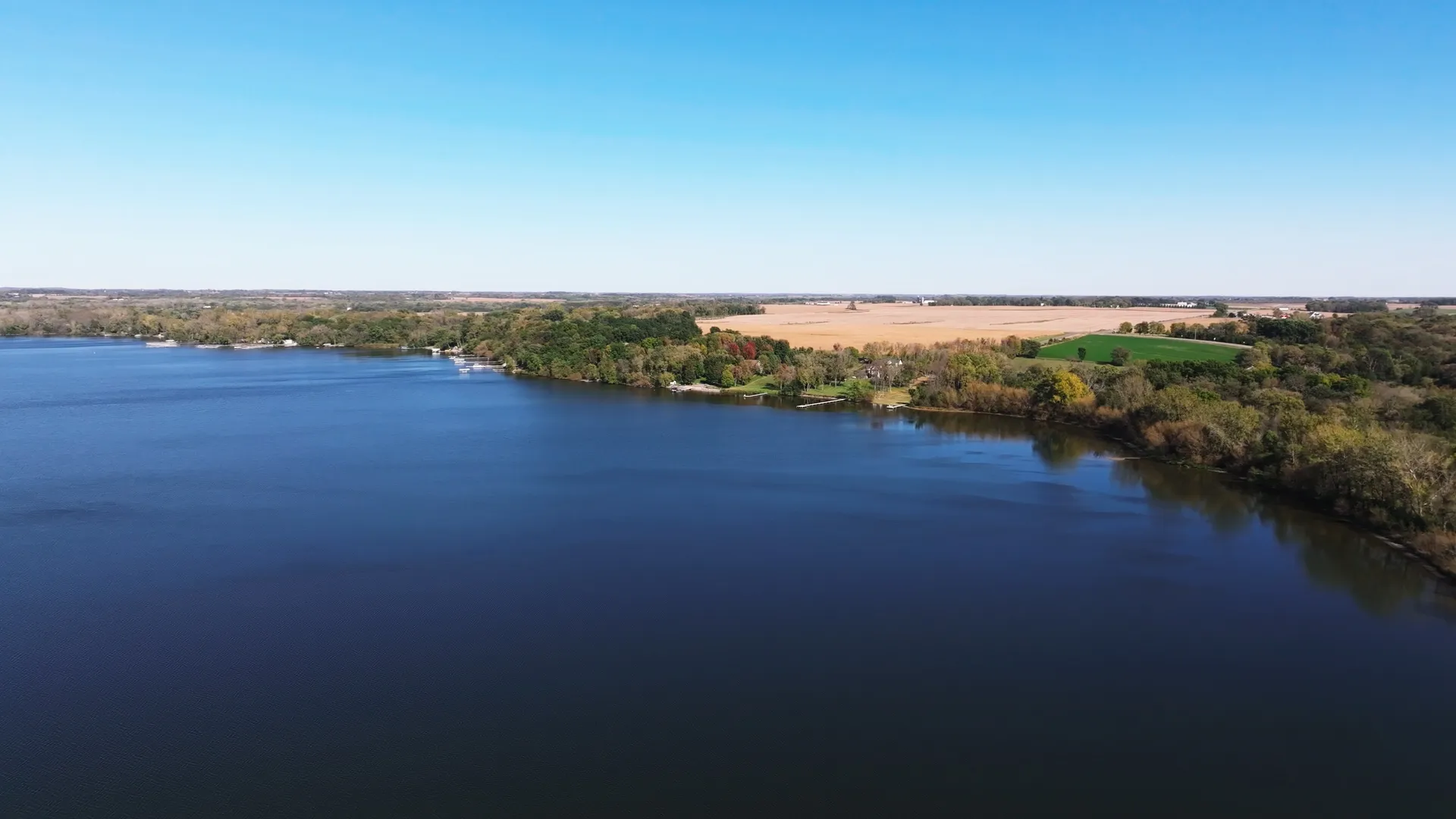
The Wisdom That Changed My Perspective
Years ago, I worked under an executive who shared a motto that's stuck with me ever since: asking for help is a sign of maturity. At first, it seemed counterintuitive. We're taught to be self-reliant, to figure things out on our own, to be the expert. But here's the reality: nobody can be an expert at everything.
We all have our strengths. We all have our limits. The truly mature person recognizes when they've hit a wall and knows when to bring in someone with different skills, different perspectives, or different approaches.
And that's exactly what happened on a recent fishing trip that taught me this lesson all over again.
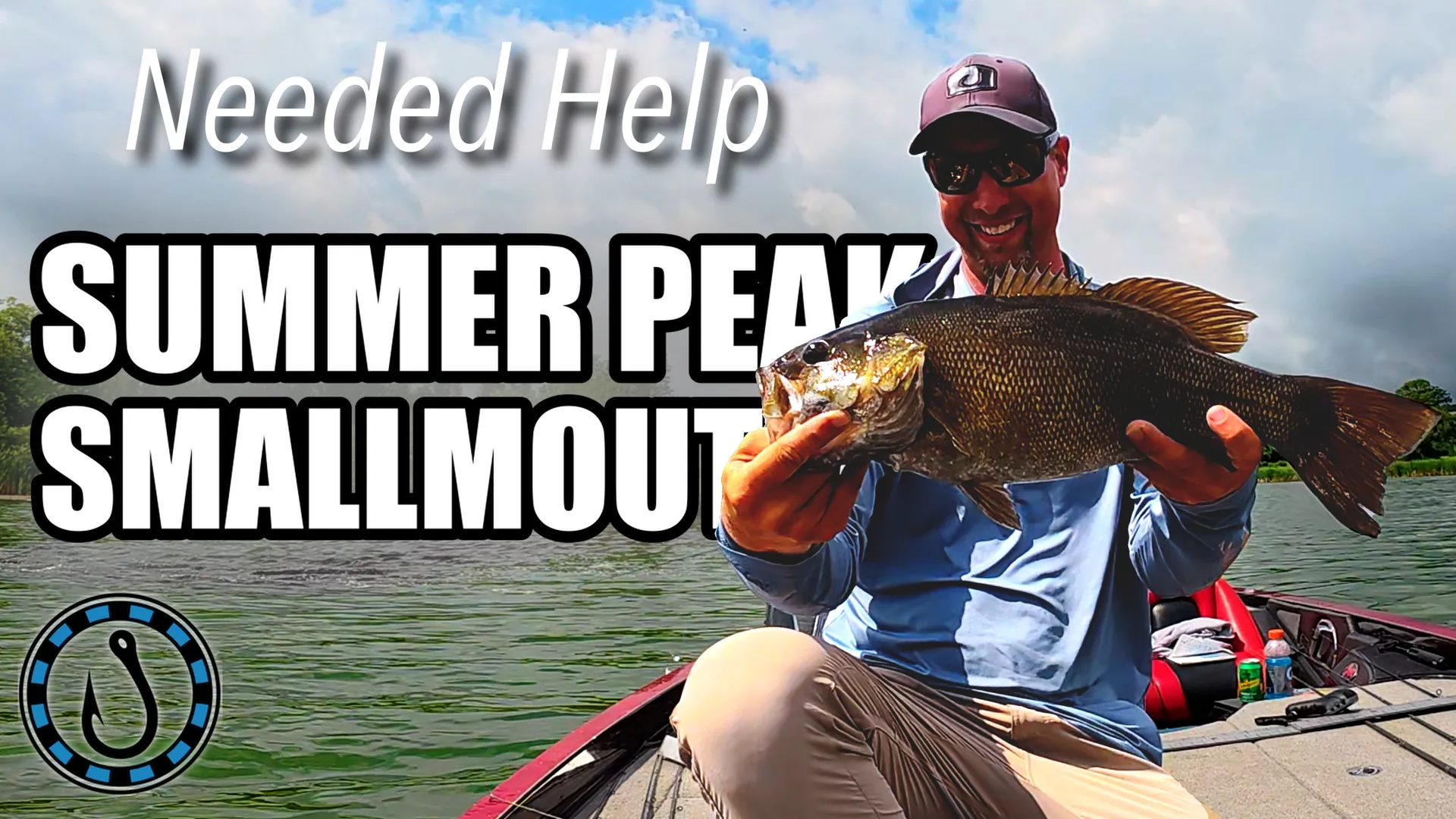
The Lake That Kept Me Guessing
Western Minnesota is full of hidden gem lakes; the kind of water that doesn't get hammered by fishing pressure and holds some seriously impressive fish. I'm always on the hunt for new spots, and I rely heavily on DNR (Department of Natural Resources) survey data to help me find promising lakes to explore.
This particular lake caught my eye in the data. Good structure, healthy fish populations, and not too many access points. Perfect.
I'd visited this lake twice before, and both times left me scratching my head. I managed to catch three fish total across those two trips; not exactly the numbers you hope for. But here's the thing: those fish were absolute tanks. Healthy, thick smallmouth bass that fought like crazy and showed me glimpses of what this lake could offer.
The potential was there. Big fish were definitely swimming around. I just couldn't figure out where they were hanging out or what they wanted to eat.
After two frustrating trips, I knew one thing for certain: if I wanted to crack this lake's code, I needed to do something different on trip number three.
The potential was there. Big fish were definitely swimming around. I just couldn't figure out where they were hanging out.
Bringing in Backup
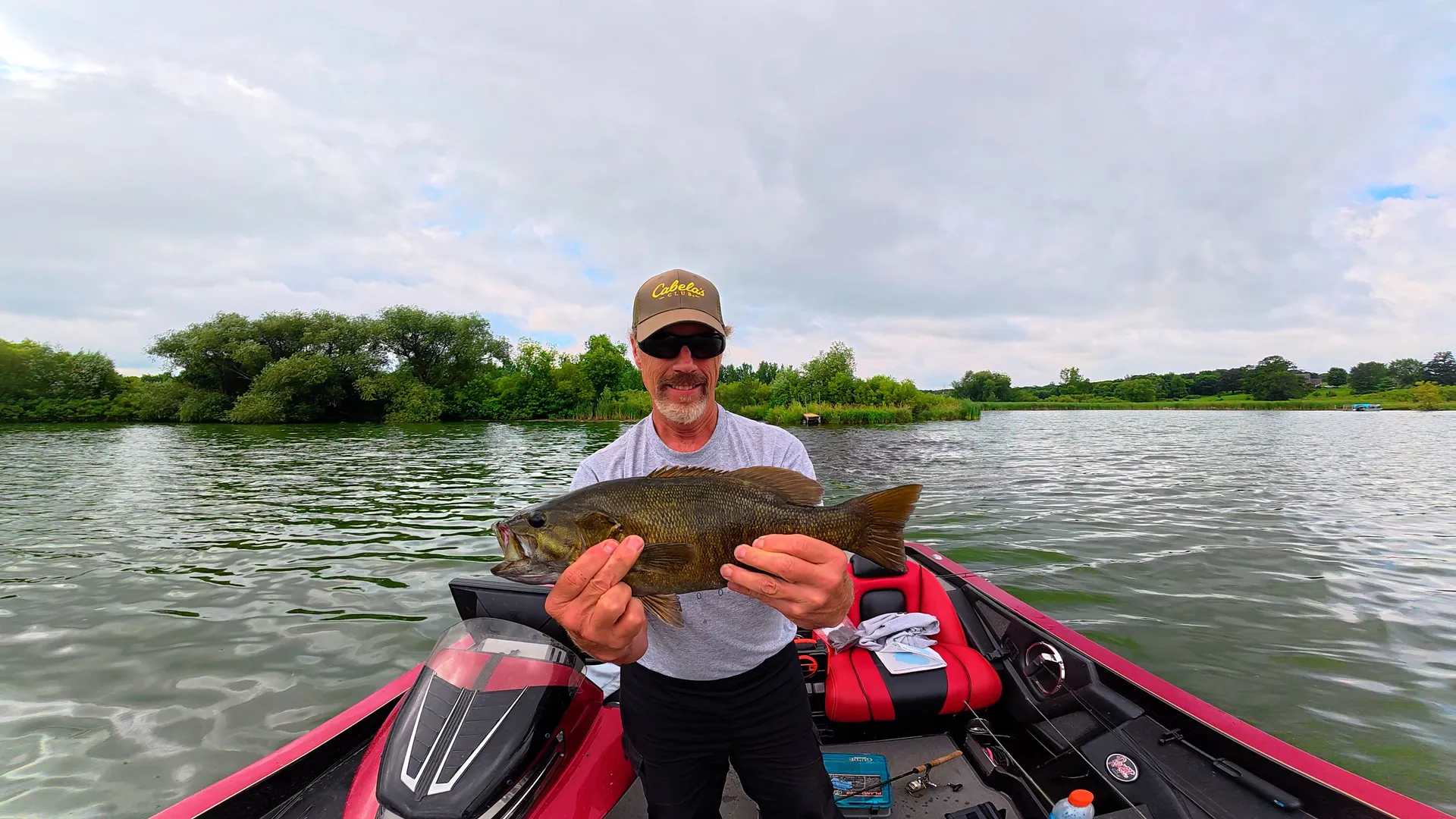
That's when I decided to call my uncle, Craig. I affectionately call him "Power Fishing" because of his aggressive, cover-water approach to fishing. Craig had recently helped me set up my initial rod 4 years ago; a seven-foot medium-heavy baitcaster with braided line and a tight drag system. It was a setup built for power fishing.
When I called Craig and invited him along, he asked hesitantly, "Have you fished this lake before?"
"Yeah, I have," I admitted. "But I need some help finding the fish."
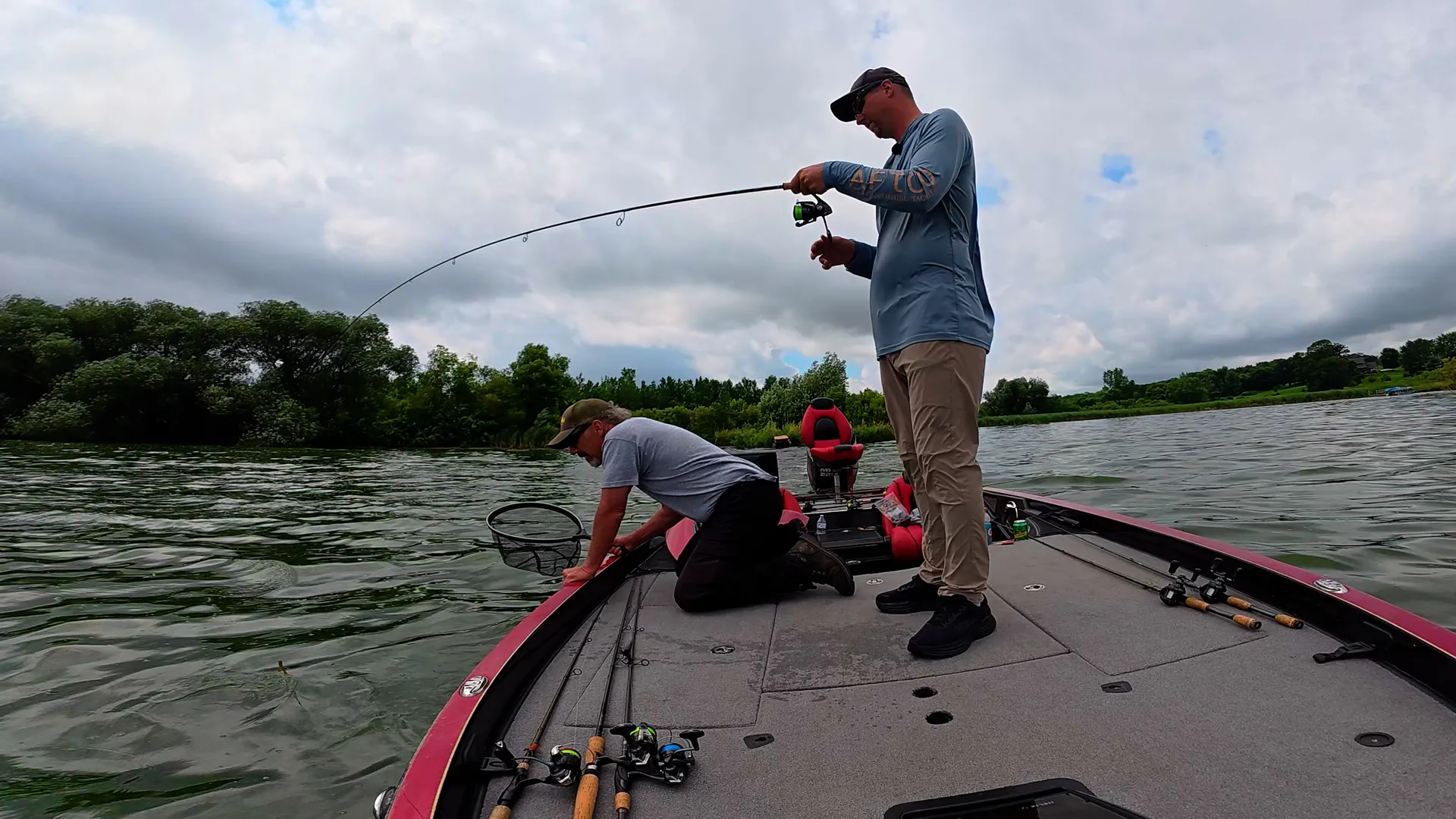
There were two main reasons I wanted Craig on this trip:
-
Double the lines, double the learning. An extra angler means more water covered, more presentations tried, and faster learning. When you're trying to figure out a new lake, having two people experimenting with different techniques speeds up the process dramatically.
-
Different fishing styles complement each other. Craig and I fish very differently—and that's a good thing. Our contrasting approaches would give us a better chance of finding what worked.
Different Styles, Same Goal
Here's where things get interesting. Craig is what I'd call an old-school power fisherman. He likes to cover water; moving quickly, making lots of casts, and searching for active fish. He doesn't rely much on technology. His approach is based on reading the water visually, understanding seasonal patterns, and trusting his instincts built over decades of fishing.
I fish differently. I like to slow down and commit to specific spots. I use my front-facing sonar (basically, underwater radar that shows fish in real-time) to find promising areas. When I see clusters of fish on the screen, I get what I call "married" to that spot. I'll work it thoroughly, trying different lures, different retrieves, and different depths before moving on.
Neither approach is right or wrong; they're just different. And on unfamiliar water, covering ground quickly is often the smart play. I completely respect Craig's method.
Quick Tip: Why Different Fishing Styles Matter
When learning a new lake, having fishing partners with different styles helps you:
- Cover more water types (shallow, deep, structure, open water)
- Try more presentation speeds (fast retrieves vs. slow finesse)
- Test more lure categories simultaneously
- Learn the lake's personality faster
When Old Habits Die Hard
We started the day fishing together, covering water as a team. Craig would fan-cast a crankbait over flats and points while I worked a jig along drop-offs. It was productive exploration.
But slowly, almost without realizing it; I fell back into my old pattern. I started getting "married" to spots again. My sonar would show clusters of fish suspended over deep water or tucked against rock piles, and I couldn't help myself. I'd stop the boat and start throwing everything in my tackle box at them.
Cast after cast. Different lures. Different colors. Different retrieves.
And I was coming up empty. Completely confused about why these fish I could literally see on my screen weren't biting.
Meanwhile, Craig kept emphasizing moving and covering water.
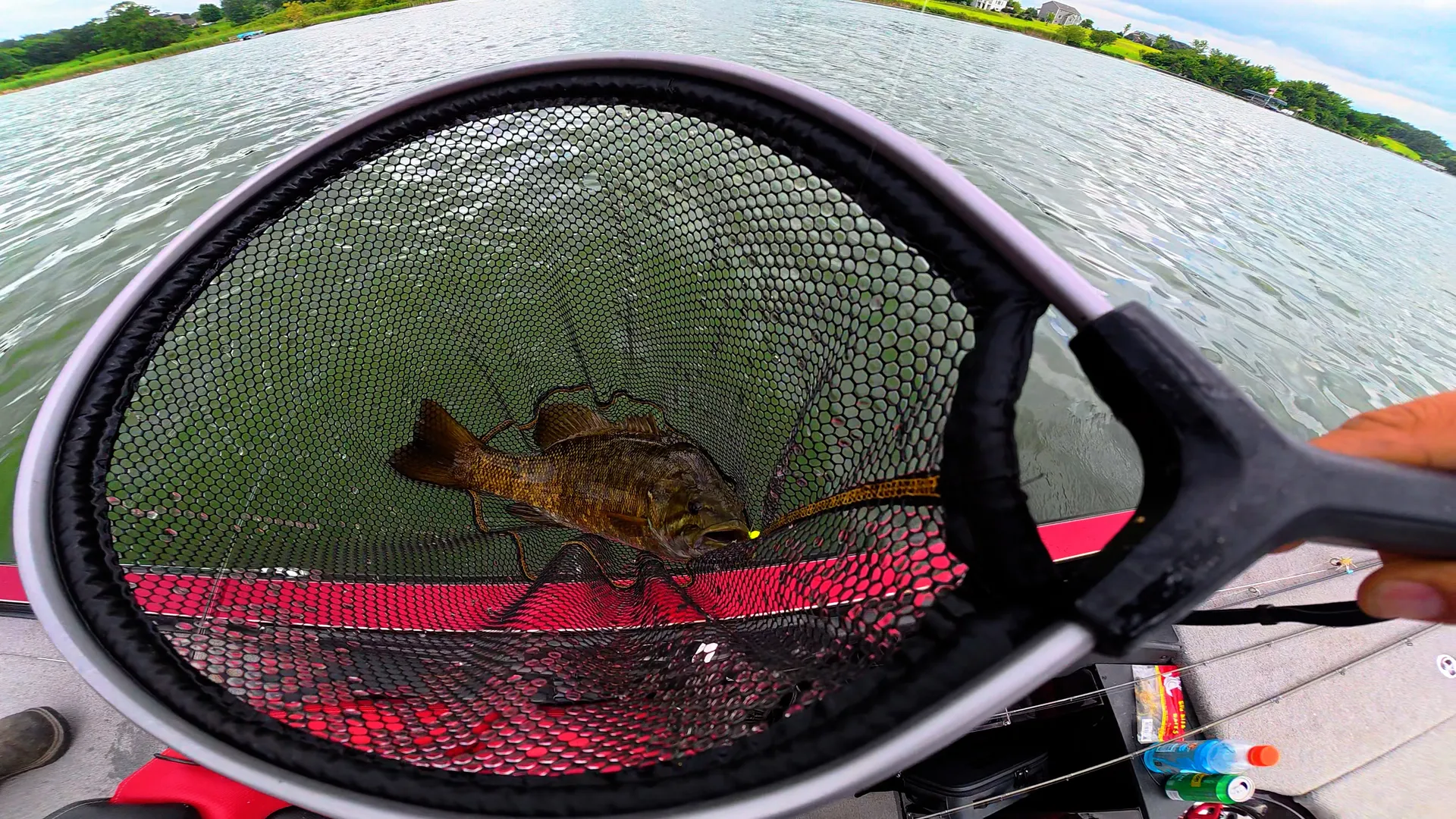
The Lesson That Goes Beyond Fishing
Trying to recognize my limitations. I needed a fresh perspective. I needed someone who fished differently, who would challenge my approach without even trying.
Asking for help isn't about admitting defeat. It's not about being weak or incapable. It's about being wise enough to know when you need someone else's strengths to fill in the gaps where yours fall short.
Think about it:
- In fishing: Maybe you're great at finesse fishing but struggle with power fishing techniques
- In business: Maybe you're creative but need help with organization and systems
- In relationships: Maybe you're a great listener but need help expressing your own needs
- In learning: Maybe you understand concepts but need help with practical application
We all have blind spots. We all have areas where we're just not as strong. And that's perfectly okay.
Asking for help isn't about admitting defeat. It's about being smart enough to know when you need someone else's strengths.
What Happened Next
By bringing Craig along, I learned things about that lake I never would have discovered alone. His willingness to keep moving showed me that those fish I was seeing on sonar weren't actively feeding necessarily they were suspended and neutral. The active fish were scattered and moving.
Did we absolutely crush it that day? Not exactly. But we caught more fish than my previous two trips combined, and more importantly, I finally started understanding that lake's personality. I learned where fish positioned themselves at different times of day. I learned which structures held active fish versus neutral fish. I learned that my technology, while helpful, was sometimes keeping me stuck in one spot when I should have been moving.
Those are lessons that will pay dividends on future trips.
Signs You Might Need Fishing Help
Consider bringing a fishing partner or guide if:
- You've fished a lake multiple times without consistent success
- You're trying a new technique or species
- You feel stuck in your approach
- You want to learn faster
- You're fishing unfamiliar water
Beyond the Water: When to Ask for Help in Life
This fishing principle applies to everything in life. Here's when asking for help shows real maturity:
In Your Career
- When you're stuck on a project and fresh eyes could help
- When you're learning a new skill outside your expertise
- When you need mentorship to reach the next level
In Personal Growth
- When you're facing challenges you can't solve alone
- When you need professional guidance (therapy, coaching, counseling)
- When you want to learn from someone who's been where you want to go
In Hobbies and Skills
- When you've plateaued and can't seem to improve
- When you're trying something completely new
- When safety or proper technique matters
The Power of Different Perspectives
One of the most valuable things about asking for help is gaining access to different perspectives and approaches. Craig didn't fish "better" than me—he just fished differently. And on that particular day, on that particular lake, his approach was more effective.
If I'd been too proud to ask for help, I would have:
- Wasted another day repeating ineffective patterns
- Remained frustrated and confused
- Missed valuable learning opportunities
- Potentially given up on a lake that actually holds great fish
Instead, by humbling myself and inviting someone with different skills, I:
- Learned new techniques and approaches
- Finally started understanding the lake
- Enjoyed better fishing
- Strengthened a relationship with my uncle
- Gained confidence for future trips
That's the power of maturity. That's the power of asking for help.
Your Challenge: Where Do You Need Help?
As you think about your own fishing, or your own life; ask yourself these questions:
- Where am I stuck? What lake, technique, or challenge keeps frustrating me?
- Who has skills I don't? Who fishes differently, thinks differently, or approaches problems differently than me?
- What's holding me back from asking? Is it pride? Fear of looking incompetent? The belief that I should figure it out alone?
- What could I learn? What might change if I brought in a fresh perspective?
Remember: the strongest anglers aren't the ones who know everything; they're the ones who know when to ask for help.
Conclusion: Maturity Means Knowing Your Limits
Not everyone can be an expert at everything. And honestly? That's perfectly fine. In fact, it's more than fine; it's reality.
The mature angler, the mature professional, the mature person recognizes their strengths, acknowledges their limitations, and isn't afraid to ask for help when they need it.
Whether you're trying to crack a tough lake, build a business, master a new skill, or navigate a difficult situation in life; sometimes the smartest thing you can do is reach out to someone who can help.
So next time you're feeling stuck, don't keep banging your head against the wall. Make the call. Send the text. Ask the question. Invite someone along.
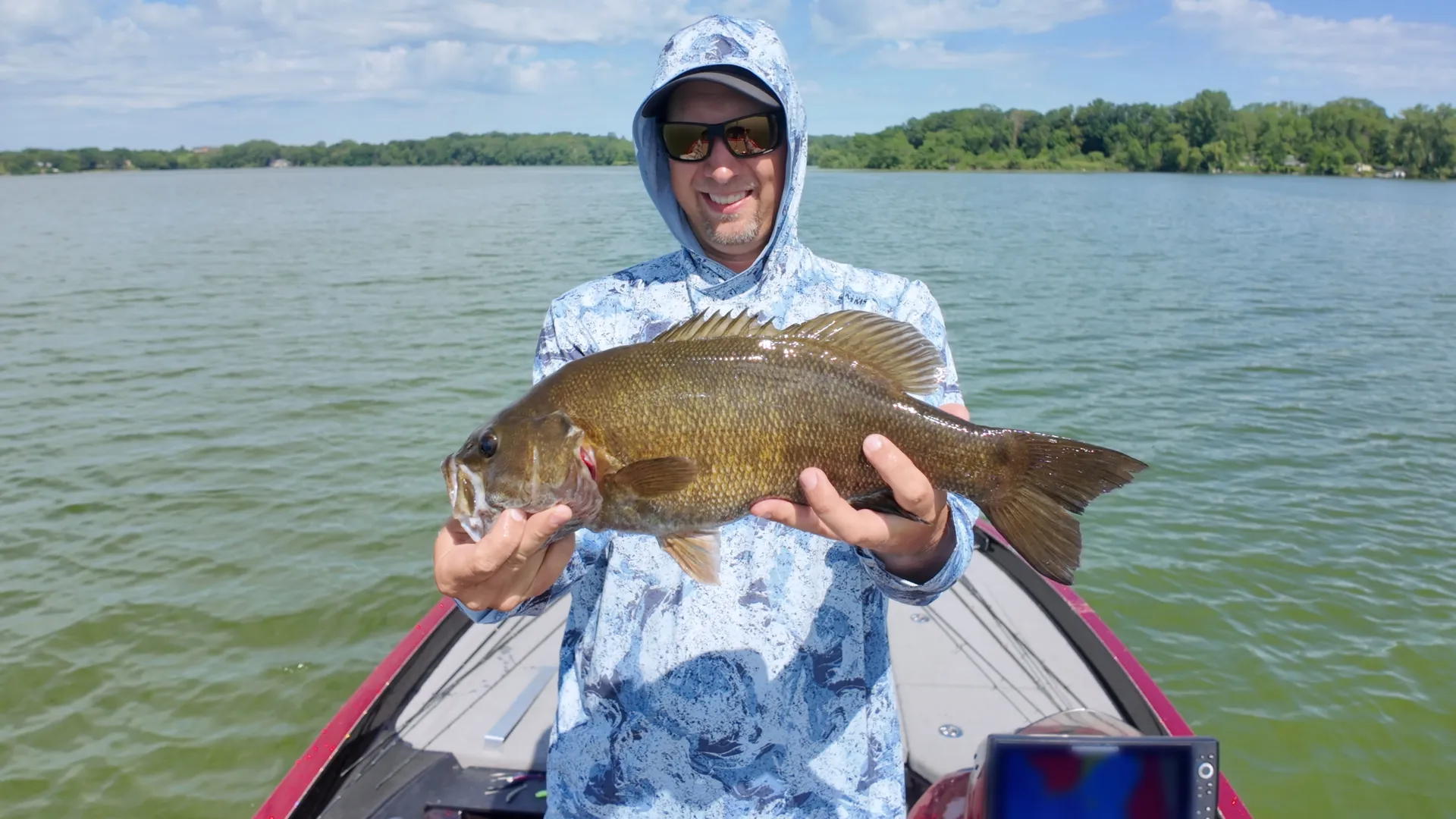
You might be surprised at what you learn—and what you catch.
Tight lines, and don't be afraid to ask for help!